

Montreal's Top Seafood Dining Destinations in 2026: A Guide to the City's Best Fish and Shellfish Restaurants
Montreal's Top Seafood Dining Destinations in 2026: A Guide to the City's Best Fish and Shellfish Restaurants
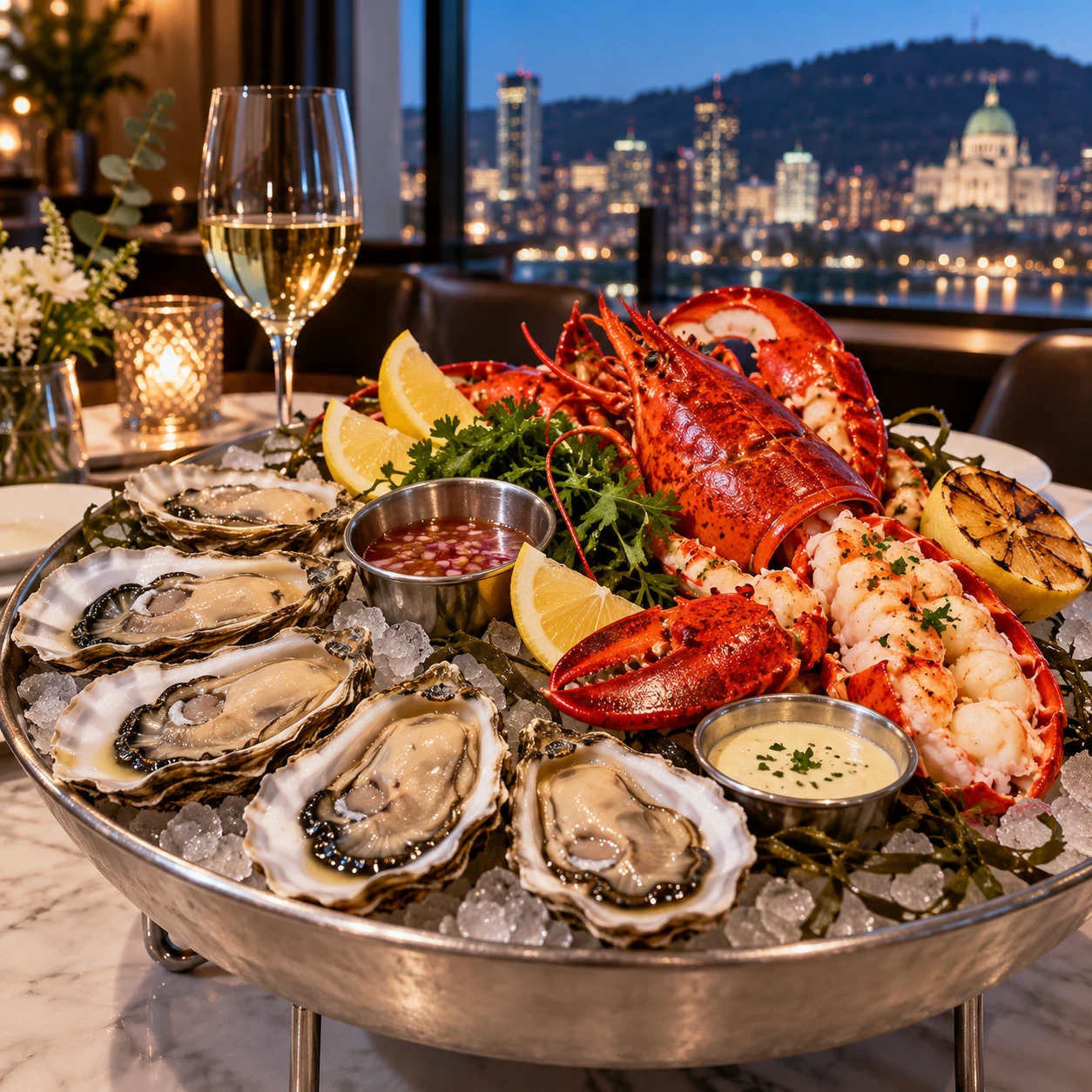
I've been eating my way through Montreal's restaurant scene for years now, and honestly? Watching this city evolve into a serious seafood destination has been one of the most exciting food stories I've covered. Back when I started, seafood here was... fine. Pleasant. Safe. But in 2026, something's shifted—Montreal has become a place where seafood lovers actually plan trips around the dining, and I'm not exaggerating.
Why Montreal Has Become a Seafood Lover's Paradise in 2026
Here's the thing about Montreal and seafood: we're nowhere near the ocean, yet we're eating fish that rivals what you'll find in Boston or Halifax. It's all about geography. Montreal sits perfectly between the Atlantic provinces and the rest of North America, with highway routes that get Maritime catches here faster than you'd think possible. I've talked to chefs who tell me their lobster was swimming off Prince Edward Island 18 hours before it hits my plate. That's fresher than most 'coastal' restaurants manage.
Then there's the St. Lawrence River, which has become this unexpected treasure. Sustainable fishing has brought the ecosystem back, and now I'm seeing yellow perch, pike, even sturgeon on menus citywide—all caught locally, all handled with care. Montreal's multicultural DNA drives the variety too. Portuguese grilled sardines in Little Portugal. Vietnamese canh chua cá in Côte-des-Neiges. The demand created the supply, and new seafood spots are opening at a pace I haven't seen with any other cuisine type.
What gets me most excited? The sophistication. Diners here actually ask about fishing methods now. They look for Ocean Wise certification. They know farmed versus wild, and they care about the difference. That informed pressure has forced restaurants to level up—or get left behind.
Upscale Seafood Restaurants for Special Occasions
When I'm celebrating something important or showing off Montreal to visitors, I head straight for the upscale seafood spots. These aren't just restaurants—they're full experiences. Impeccable service, wine lists that actually pair intelligently with fish, and plating so beautiful you pause before diving in.
One place that nails the elevated seafood experience is https://www.palomarmtl.ca/, where Mediterranean techniques meet whatever's freshest that day. I've eaten there four times now, and each visit reminds me why I keep recommending it. Their whole fish preparations are masterclasses in restraint, and what they do with shellfish has basically set the bar for everyone else in the city.
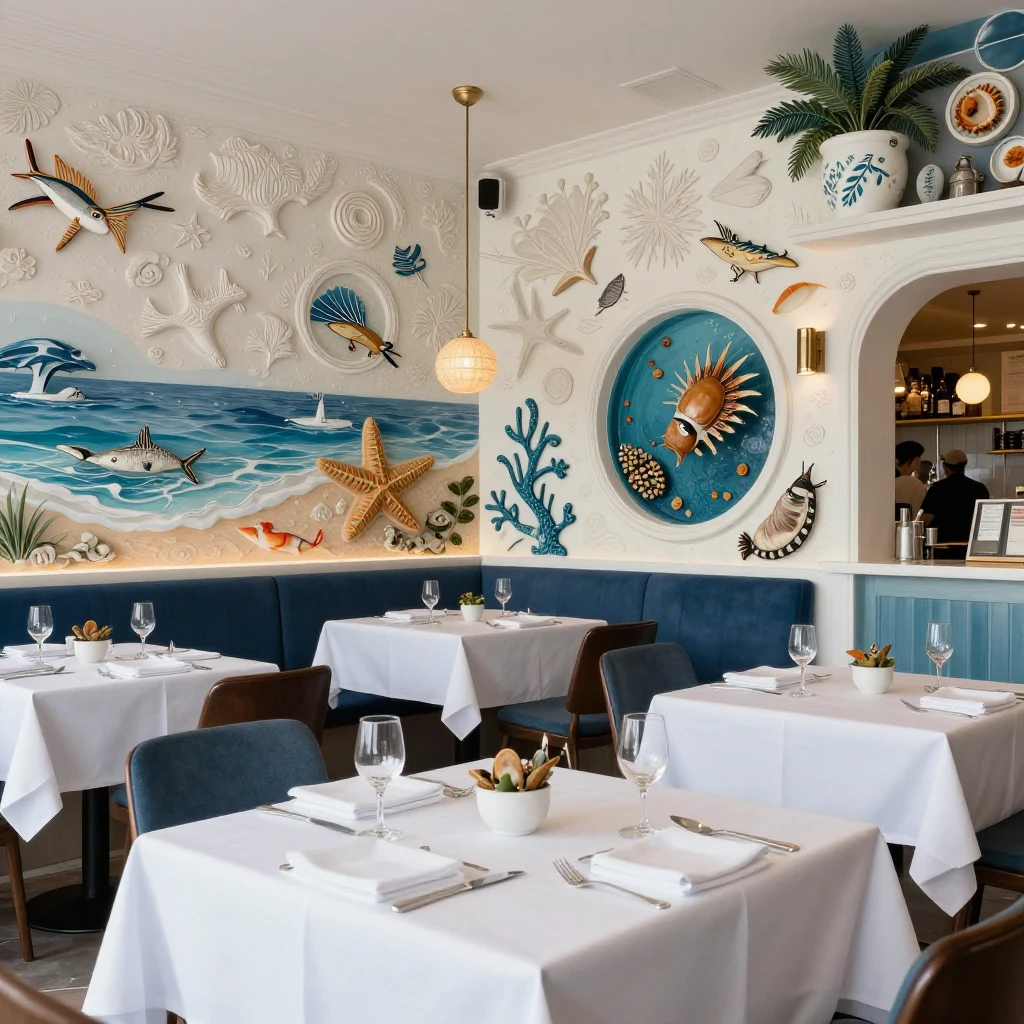
The Old Port and downtown have several other standouts where seafood is the undisputed star. I'm talking places that fly in Pacific halibut from BC, Atlantic turbot from the Maritimes, even sea urchin and razor clams when the season's right. These kitchens understand something crucial: premium seafood dining isn't about showing off expensive protein—it's about building a complete, balanced plate where every element serves the fish.
What to Expect at Montreal's Fine Seafood Establishments
Let's talk money, because I'd rather be straight with you. Plan on $80 to $150 per person at Montreal's top seafood restaurants in 2026, and that's before you touch the wine list. Whole fish presentations run $90-$140. Lobster starts around $60. These prices aren't padding—they reflect sustainable sourcing costs and the skill required to execute seafood at this level without overcooking it by 30 seconds and ruining everything.
Reservations are non-negotiable, especially Thursday through Saturday. Book two weeks out for weekend tables, though I've had luck snagging cancellations by checking OpenTable around 4 PM the day of. Dress codes have loosened since the pandemic, but smart casual is still the floor. Shorts and sneakers will make you feel out of place.
Menu-wise, expect crudo, bouillabaisse-style compositions, whole roasted fish for two, plateau de fruits de mer, and creative riffs on seafood towers. The best places change offerings based on what actually arrived that morning—a practice I respect deeply because it prioritizes freshness over operational convenience.
Casual Seafood Spots and Oyster Bars
Not every seafood craving demands a three-hour formal dinner and a $200 bill. Montreal's casual seafood culture has exploded, and I lean on these spots constantly for weeknight meals or spontaneous lunches. Quality and freshness remain high, but the vibe is relaxed and the prices are reasonable.
The oyster bar boom in 2026 is real. I can hit dedicated raw bars from Mile End to Verdun now, all slinging freshly shucked oysters from PEI, New Brunswick, even local Quebec sources. Happy hour specials—$1.50 to $2 per oyster between 4-6 PM—are genuinely some of the best value in the entire city. I've become enough of a regular at a few places that the shuckers know I want cold water varieties, medium size, slightly briny.
Fish and chip shops have evolved too. These aren't the greasy takeout disasters from a decade ago. Several newer spots use sustainable cod or haddock, hand-cut their fries, and make actual tartare sauce instead of squeezing out mayo from a squeeze bottle. $15-$18 gets you a generous portion, and the best places rotate fish species based on daily freshness. That flexibility matters.
Counter-service seafood restaurants are their own category now—order at the counter, grab a beer, sit down to lobster rolls, fish tacos, poke bowls, or ceviche. No table service, no fuss. For solo dining or when I just want good seafood fast, these are perfect.
Ethnic Seafood Restaurants: Global Flavors Meet Fresh Catch
Montreal's multicultural character hits different when you're chasing seafood across various ethnic cuisines. I've spent months exploring how different cultures handle fish and shellfish, and the variety here genuinely rivals cities twice our size.
Portuguese restaurants in the Plateau and Little Portugal serve some of the most satisfying grilled fish I've eaten anywhere. The preparations are simple—whole sea bream or branzino over charcoal, olive oil, lemon, done. That simplicity lets the fish quality do the talking, and prices stay fair: $25-$35 for whole fish with sides.
Japanese spots range from casual ramen joints with incredible seafood broths to high-end sushi counters charging $200+ for omakase. I've noticed a real shift toward sustainable sushi practices lately, with many places highlighting local and responsibly sourced fish instead of leaning entirely on traditional Japanese imports. It's a welcome change.
Italian seafood pasta and risotto showcase another angle entirely. There's something about perfectly timed spaghetti alle vongole or squid ink pasta with fresh shellfish that just works. The Italian restaurants doing seafood well understand that timing is everything—overcook pasta or seafood by even a minute and the whole dish falls apart.
Greek tavernas bring Mediterranean traditions, Vietnamese restaurants serve complex preparations in caramelized clay pots and fragrant broths. Each cuisine pulls different strengths from seafood's versatility, and I'm here for all of it.
Sustainability and Sourcing: What Makes Montreal's Seafood Scene Responsible
One shift that genuinely impresses me about Montreal's 2026 seafood scene is how seriously restaurants take sustainability. This isn't performative greenwashing—these are real operational decisions that affect profit margins, made because chefs and owners understand that short-term convenience destroys long-term supply.
Ocean Wise certification has become standard. I expect to see that symbol on menus now, confirming that seafood meets science-based conservation standards. If a restaurant lacks the certification, they'd better have a compelling story about their sourcing, or I'm walking to the next option.
Direct relationships with Maritime fishers are increasingly common too. Several restaurant groups contract directly with boats in Nova Scotia and New Brunswick, ensuring traceability and supporting small-scale operations. I've heard chefs describe knowing exactly which boat caught their halibut, what method was used, even the captain's name. That's the level we're at now.
Seasonal consciousness has improved dramatically. Instead of flying in Chilean sea bass year-round regardless of environmental cost, responsible restaurants build menus around what's actually abundant each season. It reduces impact while usually improving quality and freshness—turns out fish tastes better when it's in season. Who knew?
Some places even offer QR codes now that let you track your fish back to the specific catch location. Feels a bit gimmicky, maybe, but I appreciate the transparency and accountability it represents.
Insider Tips for Choosing the Right Seafood Restaurant
After years of eating seafood across Montreal, I've built a mental checklist that separates places truly committed to quality from those just going through the motions. Here's what I look for.
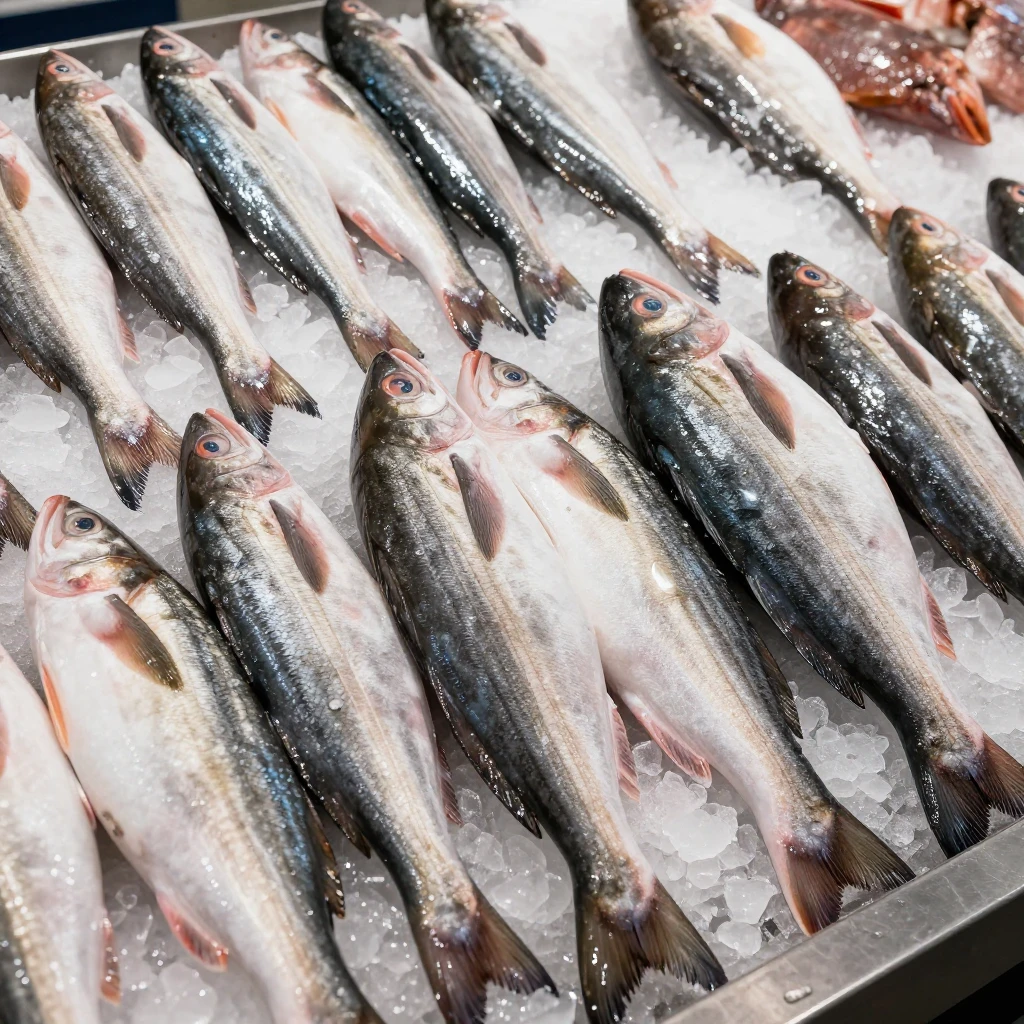
First: smell. Fresh seafood doesn't smell 'fishy'—that ammonia odor means aging protein. The best seafood restaurants smell clean, maybe slightly briny, but never off-putting. Strong fish odors the moment I walk in? I'm skeptical about their freshness standards.
I always ask servers about delivery schedules. Places receiving daily shipments can tell you confidently what arrived that morning. Vague or uncertain answers are red flags. The best servers can discuss where specific fish came from, how it was caught, why the chef chose that particular preparation.
Menu size matters more than people realize. When I see seafood menus listing 20+ preparations, I get suspicious about whether everything's actually fresh. Focused menus that change regularly? That suggests the kitchen is working with real market availability instead of maintaining frozen backup inventory to support an oversized menu.
Tuesday through Thursday are typically your best bet for seafood in Montreal. Most restaurants receive major shipments Monday and Tuesday, so midweek freshness is optimal. Weekend seafood can still be excellent at top places, but Saturday evening sometimes means you're eating Thursday's delivery.
Look for seasonal specials that align with actual harvest peaks. Soft-shell crab in May and June. Lobster in early summer. Oysters September through April. These alignments signal a kitchen paying attention to natural cycles rather than just ordering whatever from a distributor catalog.
Seasonal Seafood Guide: What to Order When in Montreal
Understanding seasonal patterns has completely changed how I eat seafood. Instead of ordering the same dishes year-round, I align my choices with natural abundance cycles—better quality, fairer prices, more sustainable consumption. It's not complicated once you learn the rhythm.
January through March is peak oyster season. Cold water produces firm, sweet oysters with layered mineral flavors. This is when I focus on raw bars and shellfish plateaus. Winter's also prime for Atlantic halibut and certain rockfish.
April and May bring soft-shell crab season—a brief window when blue crabs molt. These delicate preparations pop up on menus citywide, and I prioritize them because the window closes fast. Spring also sees shad return and early salmon runs begin.
June through August marks peak lobster season. Yes, lobster's available year-round, but summer brings recently molted lobsters with sweeter, more tender meat. Prices often drop a bit due to supply. This is also prime grilled whole fish weather—give me a whole grilled branzino on a patio in July and I'm happy.
September through November offers the year's best seafood diversity. Oysters return, fall salmon peaks, snow crab becomes available. I find autumn the most exciting season because restaurants showcase the widest variety.
December brings luxurious cold-water species perfect for holiday meals. Scallops hit peak sweetness, certain oyster varieties reach their prime, and premium fish like turbot and John Dory show up more frequently on special menus.
Learning these patterns means I'm consistently eating seafood at its absolute best, supporting sustainable practices, and usually getting better value. It's made me more conscious about what I order and deepened my appreciation for the natural cycles that determine what ends up on my plate.
Montreal's seafood scene in 2026 genuinely offers something for every preference and budget. Casual oyster bars to fine dining temples. Traditional preparations to innovative fusion experiments. As someone who's watched this city's food culture evolve firsthand, I'm confident Montreal now ranks among North America's top seafood destinations. The combination of access to pristine Atlantic waters, sophisticated multicultural influences, and real commitment to sustainability has created something special—a dining landscape that keeps surprising me with every new discovery.