

Climbing Vines: Giving Your Garden That Jungle Feel
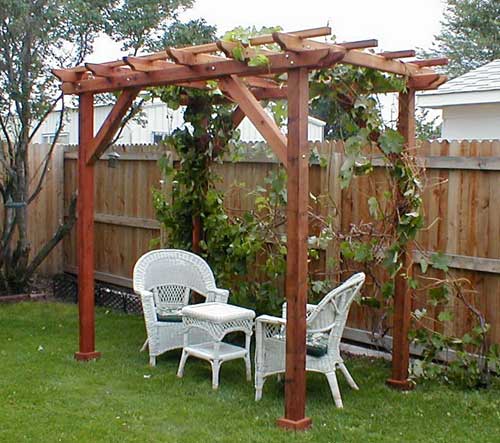
Climbing vines are outdoorsy and gives your garden that feel of being in the middle of the jungle. Think Lara Croft and the temple overgrown with vines and you’ll get an idea of that wild and natural approach to outdoor living.
Some of these are vines that climb on walls and fences. There are four variations to distinguish each vines: twining vines, vines that climb by being tendrils, aerial rootlets, or being hook type of vines.
Twining vines are plants which need a sturdy support to climb up on. Examples of twining vines are hyacinth bean or lablab, honeysuckles and chocolate vine. Wisteria is also a twining vine which needs a more sturdy support to climb. These vines twirl around its support in a direction depending on its genes. Some of these vines tend to climb randomly. The tip of a twiner will first find an object to hold on to. It spreads its vines in a wide arc to find any support available. With this technique, these kind of vines are unpredictable to where they are heading, so any part of the vicinity will have an accessible support.
Vines that climb through tendrils are different from the twining vines. These vines have an angel hair-like antennae that whips to find and wind around any possible support. It is also called “clinging” vines, wherein the tendrils can climb up from either its stems, leaves or stalks, depending on the plant’s genes. Examples of these kind of vines are passionflowers, perennial sweet peas and members of the grape family.
Tendril climbers also need attention in terms of support and its location, since tendrils are short and lavish. Even a few days of leaving a pea patch alone with insufficient access to its support or maybe a gloomy weather may lead to a compact amount of tangled foliage when you return. And if these tendrils fail to find any support, they will simply hold on to a neighboring stem or each other. Chicken wire fencing or mesh will help these vines be controlled rather than using string and sticks placed a few feet apart.
About Me
 Hey now! I’m Doc Andrew Hunter, I’m born and raised in the great outdoors of rural Canada and feel in love with mother nature as a result. Later in my life I would “do what you are supposed to” and went to college, got a degree in bio chemistry and got a triple figure job with a large pharmaceutical company.